Condo management in Mexico is regulated by a specific legal framework that every administrator must know thoroughly. Understanding these laws is not only a professional obligation but also protects you from legal liabilities and allows you to manage the condo more effectively.
In this guide, we break down the most important legal aspects affecting condo management, from federal and state laws to tax obligations and owner rights. Whether you're a professional administrator or a committee member, this information is fundamental for successful management.
Legal Framework for Condos in Mexico
In Mexico, condos are regulated by different levels of legislation:
Federal Level - Federal Civil Code: Establishes basic principles of property and co-ownership. - Housing Law: Defines general housing policies that may affect condos. - Tax laws (ISR, VAT): Applicable to the condo's economic activities.
State Level Each state has its own Condominium Property Law (or similar designation). These laws vary between states, but generally regulate: - Constitution and extinction of the condo regime - Rights and obligations of owners - Administrative bodies - Assemblies and quorums - Maintenance fees - Penalties for non-compliance
Internal Documents - Constitutive Deed: Establishes the condo regime and distribution of undivided interests. - Internal Regulations: Defines specific rules for coexistence and condo use. - Assembly Minutes: Document decisions made by owners.
Key state laws include: - Mexico City (CDMX): Ley de Propiedad en Condominio de Inmuebles del Distrito Federal (updated in 2024, in effect through 2026). - State of Mexico: Ley que Regula el Régimen de Propiedad en Condominio en el Estado de México — one of the most comprehensive in the country, with emphasis on owner rights and mandatory administrator registration. - Jalisco: Civil Code of Jalisco (Book IV, Title II). - Nuevo León: Property and Condominium Regime Law for the State of Nuevo León. - Quintana Roo: Condominium Property Law of the State of Quintana Roo.
It is essential that as an administrator you have access to and know all these documents, especially your state's law and your condo's internal regulations.
Condo Administrative Bodies
The law establishes three main bodies for condo management:
1. General Assembly of Owners It is the supreme decision-making body of the condo. All owners have the right to participate with voice and vote. Its powers include: - Approving the annual budget and maintenance fees - Appointing and removing the administrator and oversight committee - Modifying internal regulations - Authorizing major works and improvements - Approving financial statements
There are two types of assemblies: - Ordinary: Held at least once a year to approve accounts and budget. - Extraordinary: Called for urgent or specific matters as required by the regulations.
2. Administrator Can be an owner or an external professional. Their legal responsibilities include: - Executing assembly agreements - Keeping minutes and accounting books - Collecting maintenance fees - Making authorized expenses - Hiring and supervising staff - Representing the condo in minor legal matters
3. Oversight Committee Supervisory body generally composed of owners. Their functions are: - Supervising the administrator's management - Reviewing financial statements - Approving extraordinary expenses - Calling assemblies when the administrator doesn't - Reporting irregularities to the assembly
Assemblies and Legal Quorum
Assemblies must meet specific requirements to be valid:
Notice - Must be in writing with the advance notice established by law or regulations (generally 10-15 days). - Must include agenda, date, time, and place. - All owners must be notified at their address or by means established in the regulations.
Quorum to session Varies by state and type of decision: - First call: Generally requires majority of undivided interests (more than 50%). - Second call: May session with attendees if the regulations allow. - Special decisions: Some decisions (like modifying the deed or selling common areas) may require qualified majorities (75% or more).
Voting - Each owner votes according to their percentage of undivided interest, not per unit. - Decisions are made by majority of those present, unless the law requires a qualified majority. - Delinquent owners may have their voting rights restricted according to the regulations.
Documentation - All assemblies must be documented in minutes. - Minutes must include: attendance list, quorum, agenda, agreements made, and votes. - Must be signed by the assembly president and secretary.
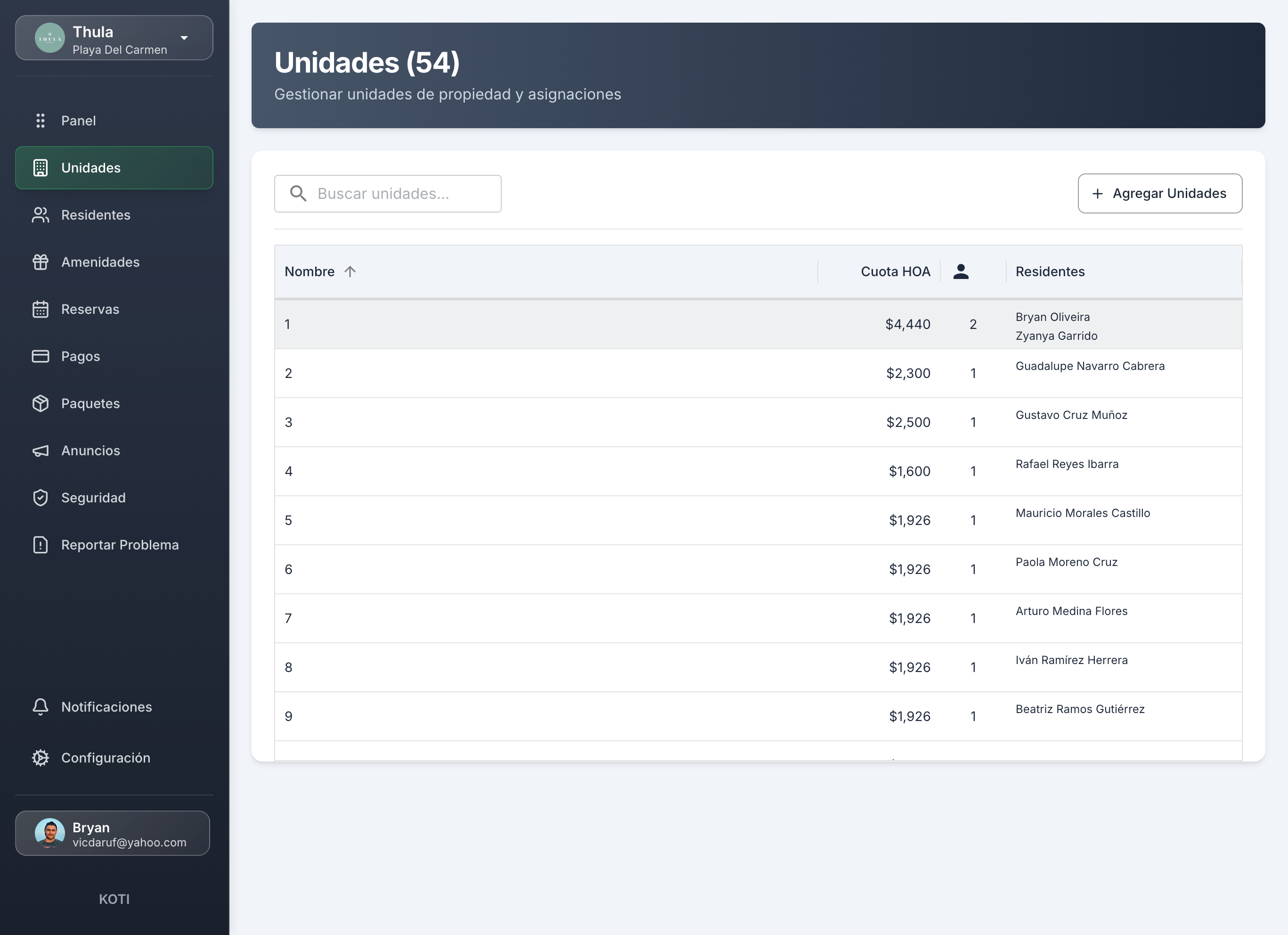
Digital management tools facilitate keeping this record organized and accessible.
Maintenance Fees: Legal Aspects
Maintenance fees are mandatory for all owners and are backed by law:
Types of fees - Ordinary fee: For regular operating expenses (security, cleaning, services, minor maintenance). - Extraordinary fee: For unexpected expenses or major improvements, approved by assembly. - Reserve fund: Percentage allocated for major repairs and contingencies.
Payment obligation - Payment is mandatory regardless of whether the owner uses common areas. - The obligation transfers with the property (the new owner inherits debts). - Regulations may establish late fees (generally up to 2% monthly).
Collection from delinquent owners Legal mechanisms for collection include: - Restriction of amenity use - Suspension of voting rights in assemblies - Judicial collection through commercial executive procedure - In some states, there is a "special privilege" that allows the condo to collect before other creditors
Financial transparency The administrator is obligated to: - Present financial statements periodically (generally monthly or quarterly) - Allow any owner to review receipts - Keep condo money separate from personal funds
Digitized financial management simplifies compliance with these obligations and generates trust among owners.
Rights and Obligations of Owners
Rights of owners:
- Use and enjoyment: Use their unit and common areas according to their purpose.
- Participation: Attend assemblies with voice and vote.
- Information: Access financial statements and condo documents.
- Challenge: Question assembly agreements they consider illegal.
- Proposal: Request that topics be included in the assembly agenda.
Obligations of owners:
- Fee payment: Pay ordinary and extraordinary fees on time.
- Maintenance: Keep their unit in good condition so as not to affect others.
- Proper use: Respect the purpose of common and private areas.
- Coexistence: Comply with internal regulations and not cause disturbances to neighbors.
- Notification: Report changes of address, sale, or rental of their unit.
- Construction: Request authorization for modifications that affect structure or facade.
Liability for damages Owners are responsible for: - Damages caused to common areas by them, their family members, employees, or visitors - Leaks or problems originating in their unit - Damages caused by unauthorized construction
Tax Obligations of the Condo
Although the condo as such does not have its own legal personality, it has tax obligations that the administrator must fulfill:
Condo Tax ID (RFC) - The condo must have its own RFC for tax operations. - It is registered as "condominium" with the SAT. - Allows issuing and receiving tax receipts.
Tax withholding - Income tax on salaries: If the condo has employees, it must withhold and pay income tax. - Income tax on services: 10% withholding from individuals with business activity. - VAT: Two-thirds withholding when applicable.
Tax returns - Monthly withholding returns. - Annual informative return of payments to third parties. - Withholding certificates for employees and vendors.
Tax receipts The condo must: - Request CFDI (electronic invoices) for all expenses. - Issue CFDI for maintenance fees if owners request it. - Keep receipts for 5 years.
Recommendations: - Hire an accountant with condo experience. - Keep the SAT tax mailbox updated. - Comply punctually with obligations to avoid fines and surcharges.
Sanctions and Legal Responsibilities
Sanctions for owners Regulations may establish sanctions for non-compliance: - Economic fines (within reasonable limits). - Temporary amenity restriction. - Voting right limitation (only for delinquent owners, according to state law). - Collection of damages.
Sanctions must: - Be provided for in regulations approved by assembly. - Be proportional to the offense committed. - Be applied uniformly to all owners.
Administrator liability The administrator may be liable for: - Civil: Damages caused by negligence or mismanagement of resources. - Criminal: Fraud, breach of trust, or document forgery. - Tax: Omission of the condo's tax obligations.
To protect yourself as an administrator: - Document all your actions and decisions. - Obtain written authorization for major expenses. - Maintain bank accounts with joint signatures. - Provide periodic and transparent reports.
Conflict resolution When there are legal disputes, options are: - Mediation: Through alternative justice centers. - PROFECO: For consumer service-related complaints. - PROSOC (Mexico City) or state equivalent: For condo conflicts. - Judicial route: When there is no agreement, through civil lawsuits.
Legal Regime of Common Areas
Common areas are owned by all owners in proportion to their undivided interest:
Legal characteristics - They are indivisible: Cannot be sold separately. - They are inalienable: Can only be transferred with assembly approval (generally unanimity). - They are for common use: All owners have the right to use them.
Types of common areas - By purpose: Hallways, stairs, elevators, roofs, facades. - By accessory: Service installations (pumps, cisterns, transformers). - By assembly decision: Areas the community decides to keep as common.
Modifications To modify common areas requires: - Assembly approval (qualified majority depending on the type of modification). - Compliance with urban and civil protection regulations. - In some cases, modification of the constitutive deed.
Exclusive use Some areas may be assigned for "exclusive use" to certain owners: - Parking spaces. - Private gardens or terraces. - Storage units.
Exclusive use does not imply ownership, only preferential right of use.
Knowledge of the legal framework is fundamental for successful and problem-free management. As an administrator, your responsibility is to ensure that the condo operates within the law, protecting both the community's interests and your own professional liability.
Remember that laws vary between states, so it's important to consult your locality's specific legislation and rely on legal advisors when necessary.
Modern technological tools can help you comply with many of these obligations more efficiently: from assembly registration to transparent financial management and documented access control.
Need more information about condo management? Check our complete management guide or learn about the most common problems and their solutions.
Written by
Equipo Koti
Condo Management Experts
The Koti Smart Communities team shares knowledge and best practices for efficient condo and residential community management.
Related Articles
Complete Guide: How to Manage a Condo in Mexico [2025]
Learn everything about condo management in Mexico: from legal obligations to best practices for efficient management.
10 Common Condo Management Problems and How to Solve Them
Discover the most frequent problems faced by condo administrators in Mexico and practical solutions for each one.